A CALMER NIGHT STARTS WITH THE LIGHT YOU USE

Why blue-light-free light matters at night

Blue-rich light at night can suppress melatonin and increase alertness in adults. Afterlamp™ uses amber and red light instead, so you can handle feeds, changes, reading and bathroom trips without flooding the room with bright white light.

THE SCIENCE OF NIGHTTIME LIGHT

At night, the light you use matters

Light is not just illumination. It is one of the environmental signals your brain uses to distinguish day from night. When you are trying to fall asleep, or trying to get back to sleep after waking — both the brightness and the spectrum of light matter.

What is blue light?

Blue light is the shorter-wavelength portion of visible light. It is naturally abundant in daylight and plays an important role in daytime alertness. The issue is not that blue light is ‘bad’. It is that blue-rich light at the wrong time can send a stronger daytime signal when you are trying to wind down.

The visible light spectrum
380 nmVisible light700 nm
Blue-rich wavelengths
Shorter wavelengthLonger wavelength

Blue light, melatonin & falling asleep

Melatonin is part of the body’s biological night signal. Controlled adult studies show that evening light can suppress melatonin, increase alertness and delay sleep, with shorter, blue-rich wavelengths generally producing stronger circadian effects than amber and red wavelengths.

That matters when you wake in the middle of the night. The goal is usually to do what you need to do, without giving your brain more of a ‘daytime’ light signal than necessary.

☀
During the day

Blue-rich daylight supports alertness and helps anchor the body clock to daytime.

☾
At night

Bright, blue-rich light can suppress melatonin and increase alertness when your body is preparing for sleep.

“
If you need light at 2am, choose light that helps keep the night feeling like night.
”
THE AFTERLAMP™ APPROACH

Useful light without the blue-rich white glow

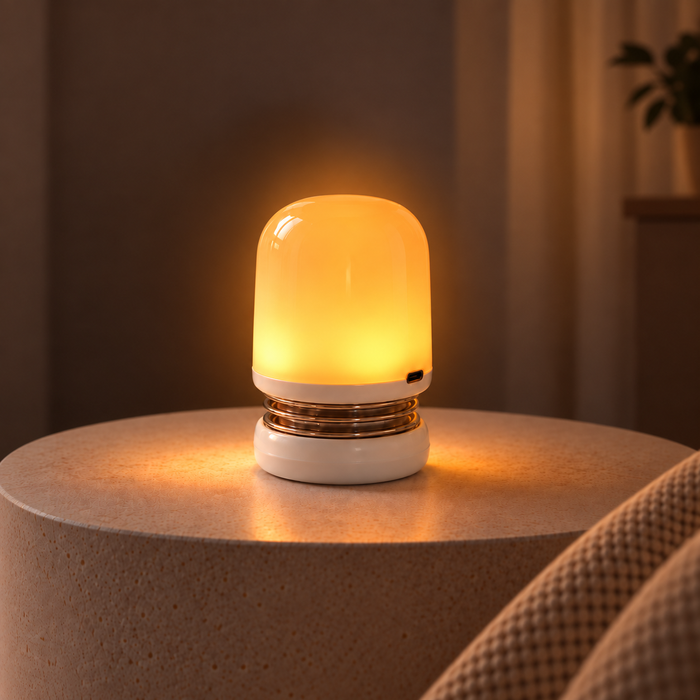
Afterlamp™ uses amber and red light instead of ordinary cool or white illumination. The aim is simple: give you enough light for the task — feeding, changing, reading or finding the bathroom — while reducing one source of nighttime stimulation.

See what you’re doing. Keep the night feeling like night. Get back to sleep.

WHERE BLUE-LIGHT-FREE HELPS MOST

Three common nighttime problems. One simple lighting rule.

Use only the light you need, where you need it — then let the night be dark again.

NIGHT FEEDS & CHANGES

Don’t turn 3am into daytime

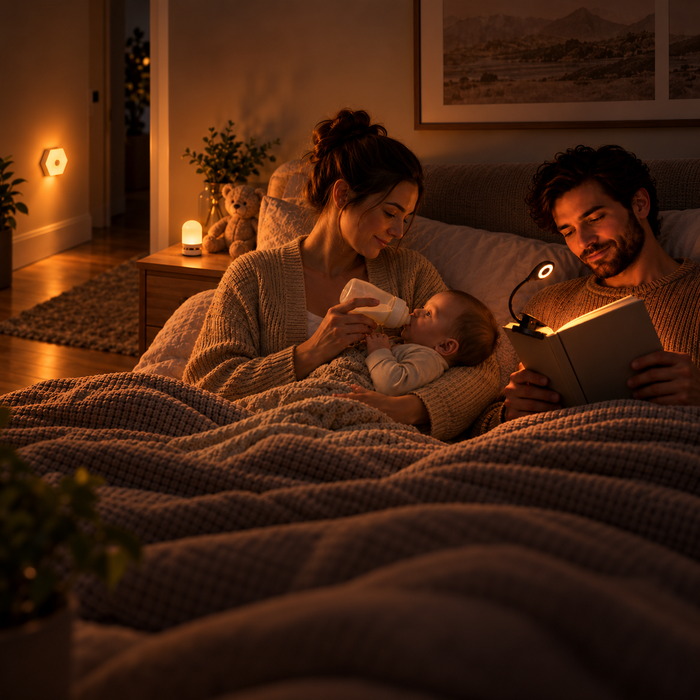
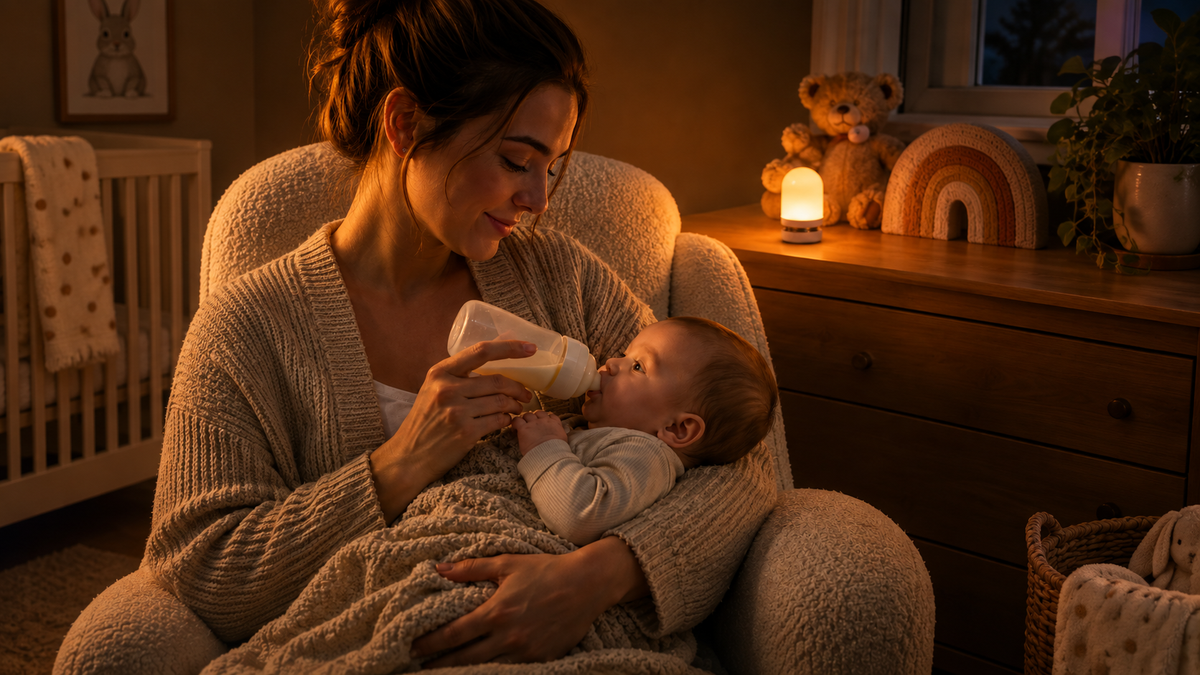
You are awake because your baby needs you, not because you want to start the day. The Nursery Light gives you useful amber and red light for feeding, changing and settling without reaching for a bright overhead light or phone torch.

When the task is finished, the room still feels like night.

Shop The Nursery Light →
READING BEFORE BED

Light the page, not the room

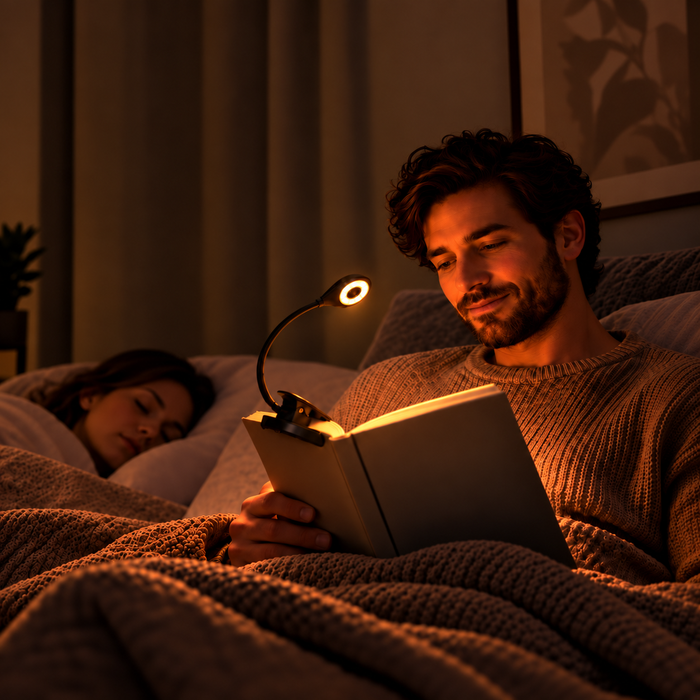
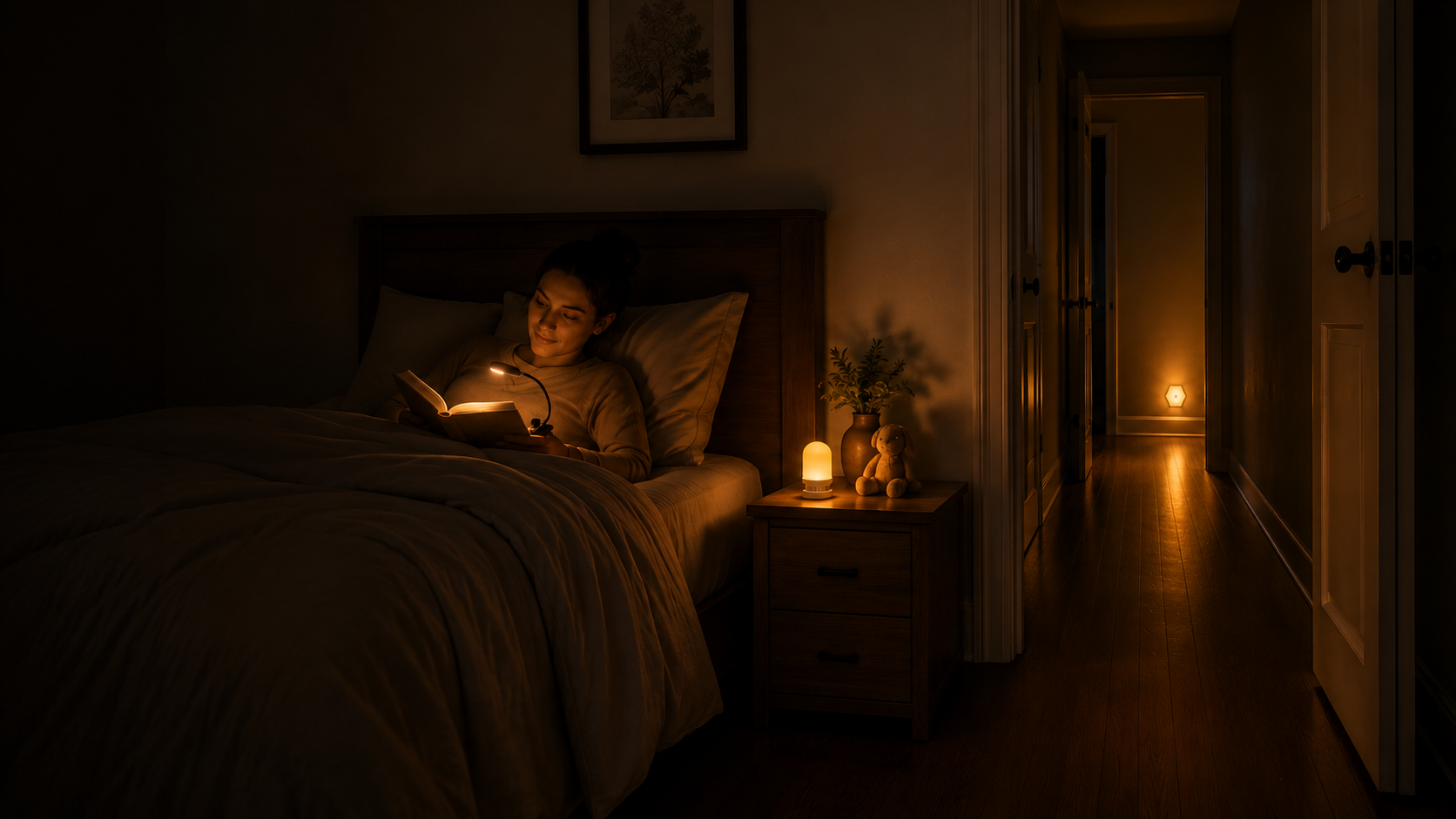
Reading can be part of winding down. A bright white bedside lamp lights your whole environment; the Afterlamp™ Reading Light puts focused amber light directly on the page instead.

Enough light to read comfortably, without turning your bedroom into a brightly lit workspace.

Shop The Reading Light →
BATHROOM & HALLWAY TRIPS

Find your way without waking the house

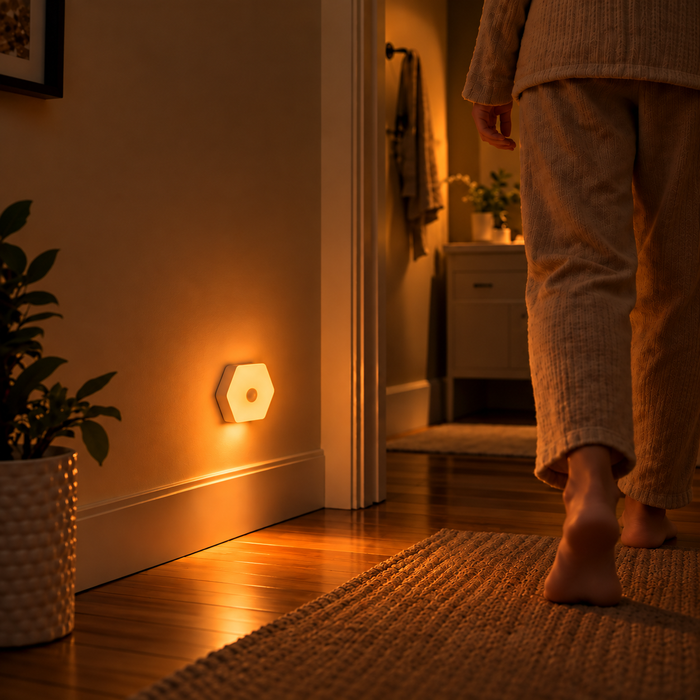
Bathroom trip. Glass of water. Checking on the kids. The motion-activated Night Light gives you gentle amber guidance without reaching for the overhead switch.

Move through the house, then let the light switch itself off behind you.

Shop The Night Light →

Why customers choose Afterlamp™

The benefit is not ‘more light’. It is the right light, at the right time, for the right job.

100% Blue-Light- Free
Amber and red illumination without the blue component found in ordinary white light.
Made for After Dark
Designed for the moments when you need useful light but still want the room to feel like nighttime.
Purpose-Built Light
Focused, dimmable or motion-activated depending on the job, not one harsh light trying to do everything.
Cordless & Easy to Place
Rechargeable lights made to live beside the bed, on the page and along your nighttime path.

Choose the light that fits your night

One philosophy, three purpose-built lights — or the complete set for the whole house.

Shop the full collection
EVIDENCE, NOT HYPE

What adult human research tells us

The effect of light depends on spectrum, brightness, timing, duration and distance. But the direction is consistent: blue-rich evening light is a stronger circadian signal than amber or red light.

2023 CONTROLLED ADULT STUDY

Lower melanopic light shortened sleep latency

Researchers found that lower-melanopic evening light was associated with shorter time to fall asleep, less melatonin suppression and lower alertness compared with higher-melanopic light.

View research ↗
HUMAN MELATONIN STUDY

Ordinary room light suppressed melatonin before bed

In healthy adults, room light before bedtime suppressed melatonin and delayed its onset compared with dim light, showing that everyday evening illumination can affect the body’s night signal.

View research ↗
WAVELENGTH COMPARISON

Blue and blue-green wavelengths produced stronger suppression

When several wavelengths were compared at equal irradiance, shorter blue/green wavelengths produced substantially greater melatonin suppression than amber and red wavelengths.

View research ↗

Important: These are adult human studies and are not clinical trials of Afterlamp™ products. Afterlamp™ is not a medical device and does not guarantee a particular sleep outcome. We include the research to explain why reducing blue-rich nighttime light is a reasonable environmental choice.

Questions before you choose

No. Blue-rich daylight is useful during the day and contributes to alertness and circadian timing. The Afterlamp™ idea is about timing: using less blue-rich artificial light when you are preparing for sleep or waking during the night.

Afterlamp™ is designed to reduce one source of nighttime stimulation: blue-rich white light. Controlled adult research on lower-melanopic and blue-reduced evening light supports the idea that light spectrum can influence melatonin, alertness and sleep latency. Individual sleep varies, so we do not guarantee a specific time-to-sleep result.

Dimming helps because intensity matters, but spectrum matters too. White light generally contains blue wavelengths. Afterlamp™ uses amber and red illumination so you can reduce both overall light exposure and the blue-rich part of the spectrum.

A phone torch is designed to be bright and functional, not to create a low-stimulation nighttime environment. It can also light a much larger area than necessary. Afterlamp™ products are designed to put gentler light exactly where the nighttime task happens.

No. The sleep and melatonin research on this page is adult human research. The Nursery Light is designed to help the parent handle feeds, changes and settling without using bright blue-rich room lighting. We do not claim that the product changes infant sleep physiology.

The amber and red modes used in particular Afterlamp™ models are designed without the blue-light component found in ordinary white LEDs. It means the useful visible light comes from longer amber/red wavelengths rather than from a white LED spectrum containing blue.

THE LIGHT YOU USE AT NIGHT MATTERS

See what you’re doing. Keep the night feeling like night.

Afterlamp™ is made for the moments between sunset and morning — when you still need light, but you do not want the whole room to feel awake.

Shop The Afterlamp™ Collection